Scoliosis Treatment in Vienna
 The school nurse says your child’s spine looks curved, and now your mind is racing. Will it get worse? Does she need a brace? Here’s the good news: you can take steps right now to help, and waiting to see what happens isn’t one of them.
NEW PATIENTS
When a Growing Spine Starts to Bend Sideways
Scoliosis is a sideways curve in the spine, and it often shows up while kids are growing. Curves range from mild to moderate to severe. Early on, most children feel no pain at all, which is why school screenings can miss it.
The longer a curve goes unchecked, the more the muscles hold bones and joints in that off-balance pattern. Pain is often where long-term scoliosis ends up.
Family History, Growth Spurts, and Habits That Add Strain
Scoliosis doesn’t always have one clear cause. A few things tend to play a part:
- A parent or relative who has scoliosis
- Fast growth spurts
- Muscles pulling unevenly on the spine
- Heavy or poorly fitted backpacks
- Slouching over books, phones, and tablets
Small Clues Parents Notice Before Kids Say a Word
Your child may never complain of pain, but their body gives hints. Check their shoes for uneven wear on the heels or sides. Look through photos for one shoulder sitting higher than the other.
Other signs include one pant leg that hangs longer, an odd gait when running, or shoulders that round forward. When your gut says something looks off, it’s worth a closer look.
Why Wait and See Costs You Time
If the school flagged a curve, or scoliosis runs in your family, get your child checked now. A clear screening doesn’t rule everything out, because general screenings miss things. Think of it like the dentist: you go before the cavity hurts.
Measuring the Curve, Then Building a Plan Around Your Child
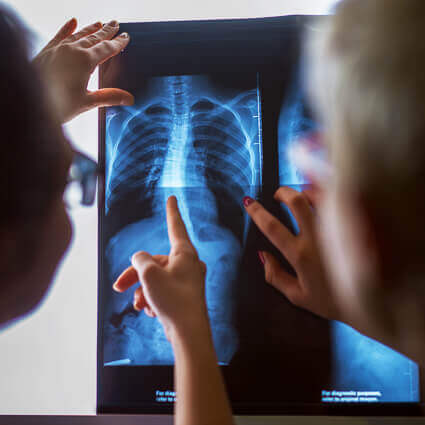
At Pure Chiropractic, the first visit starts with a conversation about your child’s sports, falls, injuries, and your goals. Then come nerve stress scans, which pick up hidden stress points, plus X-rays when they’re clinically needed.
Care rests on three things: steady chiropractic adjustments, targeted stretches and exercises (Dr. Brandon Lemuel, D.C. calls this spinal hygiene), and daily habits like posture, backpack use, and screen time. You’ll also get straight talk about bracing and surgery, so you can start with the most conservative choice.
Playing, Studying, and Sleeping Without a Curve Calling the Shots
The goals are simple: get a clear baseline, help keep the curve from getting worse, and work toward real improvement. Nobody can promise a number, but you’ll have a plan you can track instead of guessing.
Nerve stress can affect sleep, focus, and energy, which matters for kids juggling sports, music, and school. Bracing alone may leave the muscles around the spine weaker, so Dr. Brandon likes to see what conservative care can do first.
Check Your Child’s Spine Before Pain Enters the Picture
Ready to see where your child’s spine really stands? You’ll leave with measurements, a clear plan, and answers to questions nobody has asked yet. Book a visit with Pure Chiropractic or call (703) 319-1212.
