
TMJ Treatment in Vienna
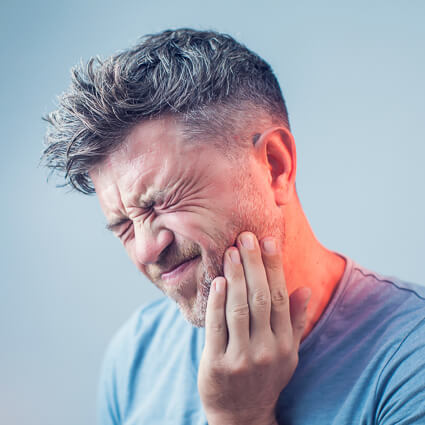 Jaw pain, clicking, and facial tension have a way of becoming background noise — something you manage rather than solve. But when the tightness travels into your neck and the headaches keep showing up, that’s the body signaling something deeper. At Pure Chiropractic, TMJ is evaluated as part of a whole-body picture, not just a joint problem.
NEW PATIENTS
The Swiss Watch Problem: Why the Jaw Can’t Be Treated in Isolation
The temporomandibular joint connects your lower jaw to your skull and is one of the most frequently used joints in the body. But it doesn’t function independently. The jaw is often described as the eighth vertebrae of the neck. Subluxations in the cervical spine create nerve interference that directly affects jaw mechanics, which is why TMJ dysfunction often persists even after dental treatment alone.
What Modern Life Is Doing to Your Jaw
TMJ dysfunction builds through layers of stress, postural strain, and repetitive patterns. Common contributors include:
- Chronic grinding or clenching, especially during sleep
- Forward head posture from extended screen time
- Whiplash or neck injuries, even without immediate symptoms
- Heavy lifting that causes involuntary jaw clenching
- Chewing consistently on one side of the mouth
- Unmanaged emotional stress, deadlines, and major life transitions
Symptoms are usually the last thing to show up.
When Everyday Movements Start Feeling Wrong
TMJ symptoms often start subtly: a faint click when opening the mouth, mild tenderness when chewing, morning stiffness that eases through the day. Over time the pattern becomes harder to ignore. Persistent aching in the jaw, face, or temple is common, and headaches at the base of the skull frequently accompany TMJ dysfunction when cervical subluxations are involved.
Signs It’s Time to Stop Waiting It Out
If a mouth guard has helped but the underlying tension keeps returning, the root cause likely hasn’t been identified. Recurring grinding and jaw tension that resets every few weeks are signals worth investigating beyond the dental level.
Restoring Alignment From the Skull to the Jaw
At Pure Chiropractic, Dr. Brandon starts with a thorough history covering stress load, posture patterns, past injuries, and any dental work that may have altered the bite. Nerve stress scans, a full cervical and jaw evaluation, and X-rays when necessary identify the subluxations contributing to dysfunction.
Care follows the Pure Power Protocol. Chiropractic adjustments address cervical subluxations creating nerve interference. Rehabilitative exercises strengthen the muscles along the back of the skull and upper back. Lifestyle coaching reduces the stress patterns keeping the jaw from fully healing.
From Managing Tension to Not Thinking About It
As care progresses, patients notice less morning stiffness, reduced clicking, and improved jaw range of motion. Headaches tied to cervical involvement often ease alongside jaw symptoms.
Frequently Asked Questions
Can a chiropractor help with TMJ?
I’ve already seen a dentist. Why see a chiropractor too?
Your Jaw is Telling You Something Worth Listening To
If jaw pain, clicking, or facial tension keep resetting no matter what you try, there may be more going on than a bite problem. Schedule your evaluation at Pure Chiropractic in Vienna.
SCHEDULE AN EVALUATION
